
Best Beginner Classical Guitars Under £500: A Complete Buying Guide
Finding the Perfect Classical Guitar for Under £500
Choosing your first classical guitar is an exciting milestone, but with countless models available, knowing where to start can feel overwhelming. The good news? The under £500 price bracket offers exceptional value, with many guitars delivering quality that would have cost significantly more just a decade ago.
What Makes a Good Beginner Classical Guitar?
Before diving into specific models, understanding what to look for ensures you make an informed choice. Three factors matter most for beginners: playability, sound quality, and build consistency.
Playability refers to how comfortable and easy the guitar feels to play. The action (string height above the fretboard) should be low enough to press strings without excessive effort, but not so low that strings buzz against frets. The neck should feel comfortable in your hand, and the guitar should sit well on your leg in proper playing position.
Sound quality at this price point means balanced tone across all strings, with trebles that sing clearly and basses that provide warmth without muddiness. You're not expecting concert hall projection, but you should enjoy the sound your practice produces.
Build consistency matters because manufacturing quality varies. Reputable brands like Yamaha and Cordoba maintain strict quality control, meaning each guitar leaving the factory meets consistent standards. This reliability is crucial when buying online or from retailers where you cannot try every individual instrument.
The Importance of Solid Tops
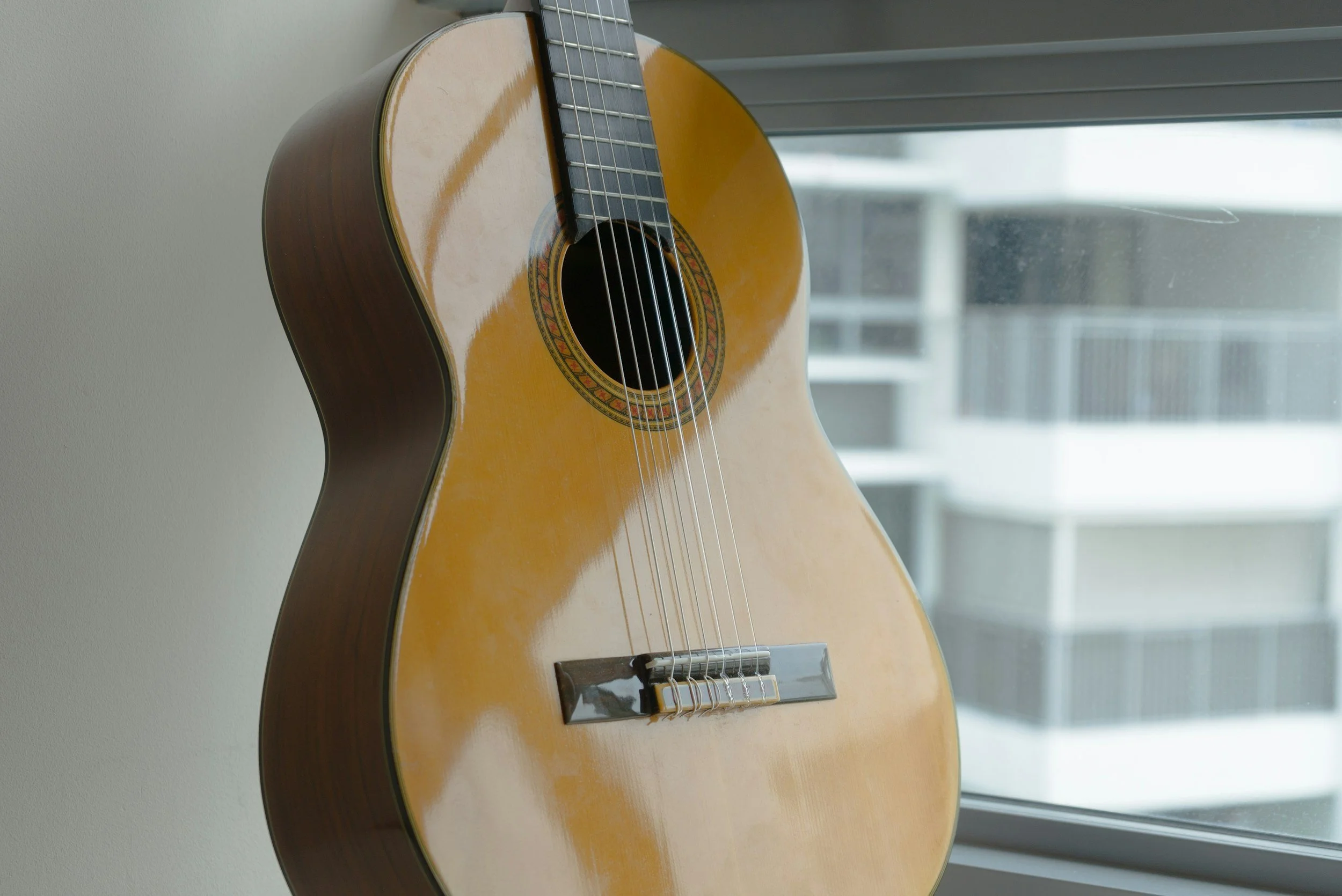
One crucial specification dramatically affects sound quality: whether the guitar has a solid or laminated top. The top (soundboard) is the most important component for tone production, and a solid wood top resonates more freely than laminated wood, producing richer, more complex sound.
In the under £500 range, prioritise guitars with solid cedar or solid spruce tops. Cedar produces warm, immediate tone that sounds good from day one. Spruce takes longer to "open up" but offers brighter, more projecting sound that develops beautifully as the wood ages and resonates more freely over time.
Laminated tops (multiple thin layers glued together) appear on budget guitars under £200. While serviceable for absolute beginners, they limit the sound quality you can achieve. If your budget allows £300-£500, investing in a solid top provides significantly better tone and greater satisfaction as your playing develops.

Top Recommendations: The Gold Standard Options
Cordoba C5 (£300-£350)
The Cordoba C5 is the most frequently recommended beginner classical guitar, and with good reason. This instrument features a solid Canadian cedar top paired with mahogany back and sides, producing warm, balanced tone with surprising volume for its price point.
The C5's standout qualities include excellent playability straight from the factory, traditional Spanish aesthetic with hand-inlaid rosette, and tone quality that rivals guitars costing considerably more. Many WiGS members started on this model, and several still use it for practice despite owning more expensive instruments—testament to its enduring quality.
This guitar works beautifully for beginners but has enough quality to serve intermediate players for years. If your budget stretches to £300-£350, the C5 represents exceptional value and will not limit your musical development as you progress.
Yamaha CG182C/CG182S (£400-£500)
Yamaha's reputation for manufacturing consistency makes their guitars reliable choices, and the CG182 series represents their premium student range. These models feature solid spruce (S) or cedar (C) tops with rosewood back and sides—a significant upgrade in materials from lower-priced options.
The CG182 series offers crisp, clear tone with good projection, comfortable neck profile, and the build quality Yamaha is known for. The spruce-top model provides brighter tone ideal for solo playing, while the cedar-top version offers warmer sound suited to ensemble work or those preferring mellow character.
These guitars sit at the top of the under £500 bracket and provide a noticeable step up in refinement and tonal complexity from entry-level models. For serious beginners planning to practice regularly and progress through graded exams, this investment pays dividends.
Cordoba C7 (£350-£450)
The C7 offers a compelling middle ground between the C5 and higher-end models. It features solid Canadian cedar or European spruce top (depending on model) with Indian rosewood back and sides—typically a wood combination found on significantly more expensive guitars.
The upgrade to rosewood back and sides provides richer, more complex tone compared to mahogany, with better sustain and harmonic content. The C7 also includes premium details like hand-inlaid rosette and elegant binding that give it professional aesthetic appeal.
This model suits beginners who know they're committed to serious study and want an instrument that will serve them well into intermediate and even advanced levels without requiring upgrade.
Excellent Value: The Budget-Conscious Choices
Yamaha C40/C40M (£140-£200)
For absolute beginners on tight budgets, the Yamaha C40 is well-built and offers satisfactory sound and playability for an amazing price under £200. This all-laminate guitar won't produce the refined tone of solid-top models, but it's robust, reliable, and perfectly adequate for learning fundamentals.
The C40M variant features a matte finish which some players prefer for its understated aesthetic and slightly different feel. Many guitarists are surprised by the C40M's tone quality, which punches well above its price point and offers warmth and clarity that makes practice genuinely enjoyable.
The C40 series' strengths include consistent build quality across individual instruments, comfortable playability for beginners, and affordability that removes financial pressure from your first guitar purchase. Its limitations show in somewhat muted tone compared to solid-top models, but the C40M in particular offers surprisingly good sound that doesn't prevent effective learning or musical satisfaction.
Many successful classical guitarists began on this model. If budget constraints make £300+ unrealistic, the C40/C40M provides legitimate quality at minimal investment. Just be aware you'll likely want to upgrade within a year or two as your playing develops.
Cordoba C3M (£200-£250)
The Cordoba C3M offers a solid mahogany top, providing warm, rich tone and excellent playability, making it ideal for beginners and intermediate players at a price point under £300. This represents the entry point to solid-top guitars, delivering noticeably better sound than all-laminate options.
The solid mahogany top provides warm, focused tone that's pleasant to practice with. While mahogany doesn't project as strongly as cedar or spruce, it offers good balance and sustain. The C3M also includes Cordoba's attention to playability and setup quality, ensuring comfortable playing experience from day one.
This model bridges the gap between budget and mid-range options, providing solid-top sound quality at a price that's more accessible than the C5. For beginners certain they'll stick with classical guitar but unable to stretch to £300+, the C3M offers excellent compromise.
What About Other Brands?
While Cordoba and Yamaha dominate recommendations, other manufacturers offer quality options worth considering:
Alhambra guitars, handmade in Spain, provide authentic Spanish construction and tone. Their entry-level models start around £300-£400 and offer traditional Spanish guitar characteristics. The craftsmanship is excellent, though availability in the UK can be limited.
Admira guitars, also from Spain, deliver solid-top options in the £250-£400 range. They offer good value and authentic Spanish tone, though they're less widely available than Yamaha or Cordoba models.
Where to Buy Your Classical Guitar
Physical Stores
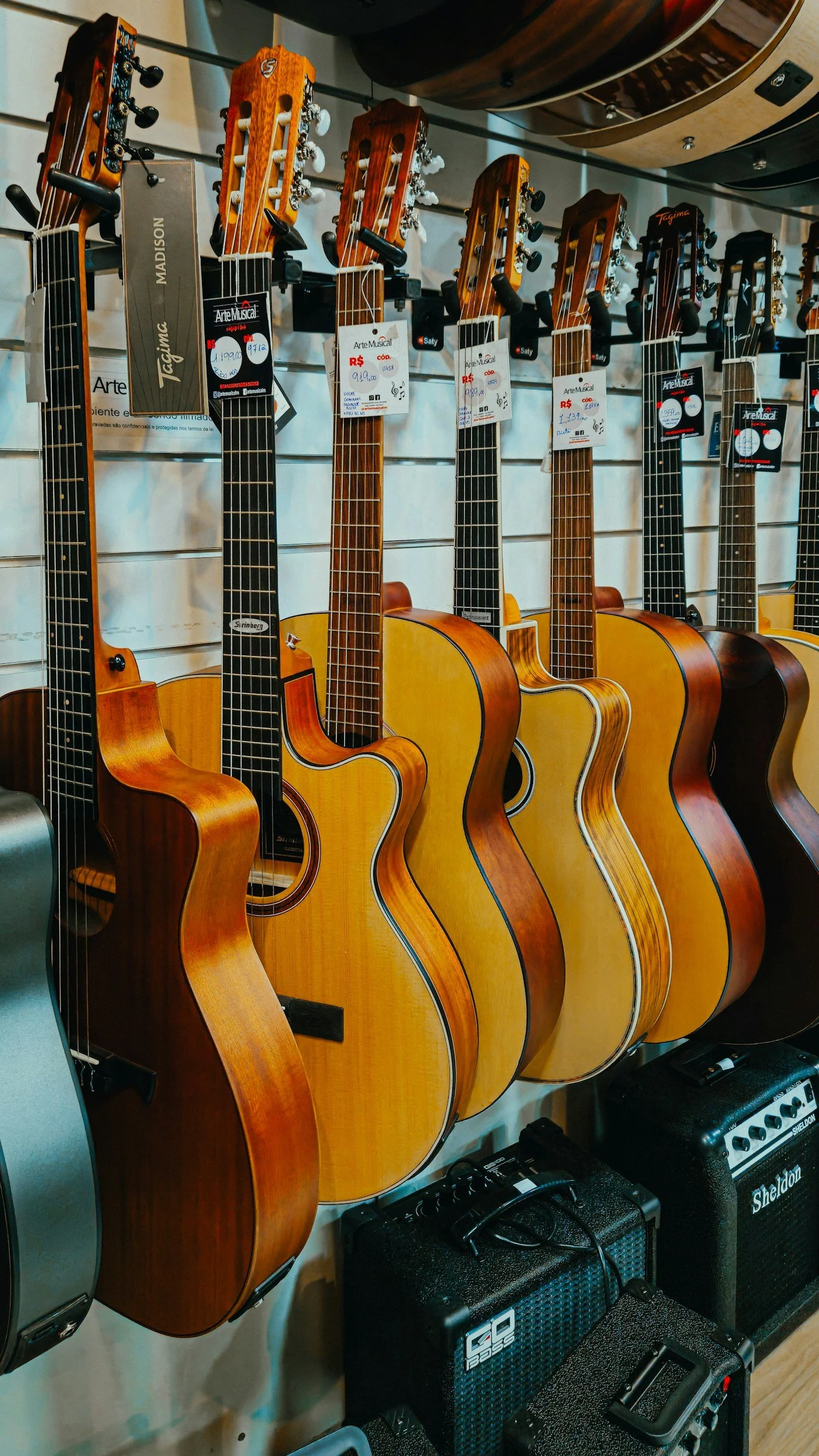
Buying from a specialist guitar shop allows you to try multiple instruments, receive setup assistance, and build relationship with staff who can provide ongoing support. In the London area, stores like London Guitar Studio and Chimes Music (Barbican and Kensington locations) stock classical guitars and employ knowledgeable staff.
Outside London, stores like Forsyth's in Manchester and The Music Room in Edinburgh maintain good classical guitar selections. Even general music retailers often stock entry-level Yamaha and Cordoba models.
Online Retailers
Online shopping offers convenience and often better pricing. Reputable UK retailers like Gear4music, Andertons, and Thomann (German-based but with excellent UK delivery) stock comprehensive classical guitar ranges with detailed specifications and customer reviews.
The advantage of buying from established online retailers includes return policies if the instrument doesn't meet expectations, often free delivery, and competitive pricing. The disadvantage is not trying before buying, though YouTube reviews and specification research can help inform decisions.
What to Check Upon Arrival
Whether buying online or in-store, inspect your new guitar carefully:
Check for any cracks, dents, or finish flaws
Ensure all tuners turn smoothly and hold pitch
Play every note on every string to identify any buzzing or dead spots
Verify the action feels comfortable (if too high, a setup by a luthier can address this)
Confirm the sound is balanced across all strings
Most retailers allow returns if issues arise, so don't hesitate to exchange an instrument that doesn't meet reasonable quality standards.
Essential Accessories for Beginners
Beyond the guitar itself, you'll need several accessories:
Footstool (£15-£40) or Guitar Support (£50-£100): Proper positioning is crucial for classical technique. Footstools are traditional and affordable; guitar supports like the Sagework or Ergoplay attach to the guitar and may be more comfortable for some players.
Tuner (£10-£30): Keeping your guitar in tune is essential. Clip-on tuners work well and are affordable.
Music Stand (£15-£40): Proper posture requires reading music at appropriate height and distance.
Case (£30-£100): Protect your investment from knocks and environmental damage. Many guitars include basic gig bags, but upgrading to padded protection is worthwhile.
Strings (£8-£15 per set): Classical guitars need regular string changes. Keep spare sets on hand.
Getting Proper Setup
Even quality guitars benefit from professional setup when you first acquire them. A luthier or experienced guitar technician can optimize action height, check intonation, and ensure everything functions properly. This service typically costs £40-£80 and transforms how the guitar plays.
For those in the Wimbledon area, Nick Branwell is a highly regarded local luthier who specializes in classical guitar setup, maintenance, and repairs. Many WiGS members trust Nick with their instruments, and his expertise can make a significant difference to how your new guitar plays and sounds. Having a skilled local luthier means you have ongoing support for string changes, adjustments, and any issues that arise as you develop as a player.
Don't underestimate how much difference proper setup makes to playability and your learning experience. A well-set-up budget guitar can play better than a poorly-set-up expensive one.
Making Your Decision
The "best" beginner classical guitar ultimately depends on your specific circumstances:
If budget is primary concern: Yamaha C40 provides legitimate quality at minimal cost
If you want solid-top quality under £300: Cordoba C3M or C5 deliver exceptional value
If you can stretch to £400-£500: Yamaha CG182 series or Cordoba C7 provide refinement that will serve you for years
If you prefer alternatives: Explore Alhambra, Admira, or La Patrie for slightly different characteristics
Whatever you choose from these recommendations, you'll have a quality instrument capable of supporting your classical guitar journey. The most important factors are committing to regular practice, finding a good teacher, and connecting with the classical guitar community - perhaps by joining us at WiGS events and concerts.
Your classical guitar journey begins with choosing the right instrument. Armed with this information, you're well-equipped to make an informed decision that will serve your musical development for years to come.